

 See My Latest Article on HelloNation
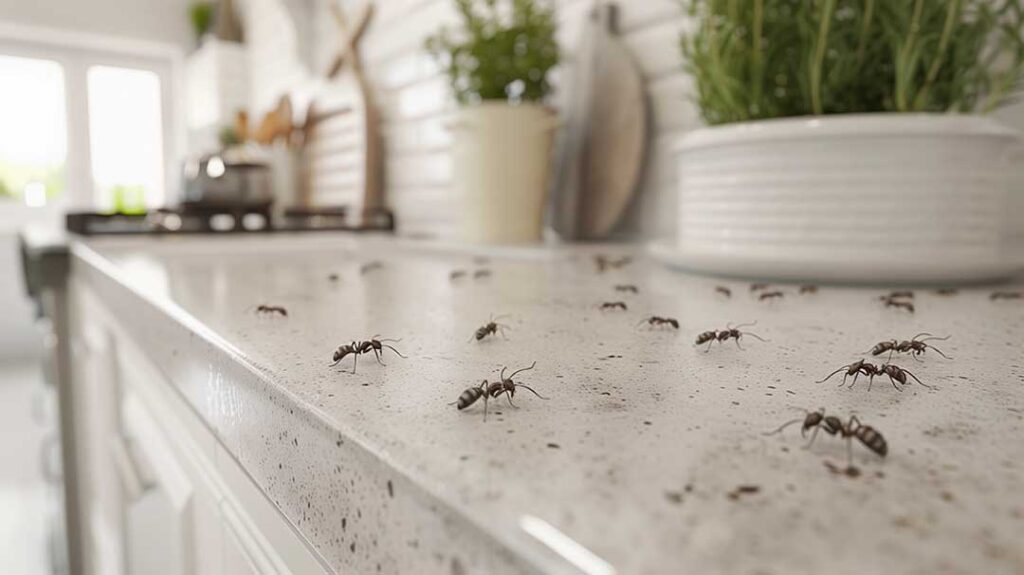
Fruit flies can appear suddenly around a kitchen, recycling bin, pantry, or sink. They are small, persistent, and capable of multiplying quickly when food residue or moisture is available. The fastest solution is not simply trapping the adult flies; it is removing the breeding material that allows new adults to emerge.
What attracts fruit flies indoors?
Fruit flies are drawn to fermenting or overripe organic material. A small amount of residue can be enough to support breeding, including liquid left beneath a garbage bag or sticky buildup around a recycling container.
Common attractants include:
- Overripe bananas, apples, tomatoes, and other produce
- Fruit juice, wine, beer, cider, and sugary drinks
- Food scraps in compost containers
- Residue inside bottles, cans, and jars
- Damp mop heads, sponges, and cleaning cloths
- Spills beneath appliances or inside cabinet corners
- Organic buildup in sink drains or garbage disposals
In Syracuse, seasonal temperature changes can affect how quickly fruit flies develop. Warm indoor kitchens, especially during summer and the heating season, can provide suitable conditions even when outdoor temperatures are too cool for much insect activity.
How can fruit flies be eliminated fast?
The quickest approach is to remove their food source, clean possible breeding areas, and use a simple trap to reduce the adult population. These steps work best when performed at the same time rather than separately.
Start by inspecting the kitchen carefully. Check fruit bowls, produce storage areas, recycling containers, trash cans, pantry shelves, and the spaces beneath small appliances. Dispose of heavily overripe produce or move it into the refrigerator.
Next, clean all exposed surfaces with warm, soapy water. Rinse bottles and cans before placing them in recycling. Wash the inside of trash and recycling containers if they contain sticky residue. Replace damp sponges and launder reusable cloths.
A basic trap can help remove adult flies while the source is being addressed:
1. Place a small amount of apple cider vinegar, wine, or fruit juice in a shallow cup.
2. Add a drop of dish soap.
3. Leave the container near the area with the most activity.
4. Replace the liquid when it becomes filled with insects or loses its odor.
The soap reduces the liquid’s surface tension, making it more difficult for flies to escape after landing. A paper funnel placed over the cup may also help guide flies toward the liquid.
Traps reduce visible adults, but they do not eliminate eggs or larvae hidden in food residue. Source removal remains the essential step.
How do you find where fruit flies are breeding?
Look for moist, sticky, or fermenting material that has been left undisturbed. The breeding site may not be obvious because fruit flies can use very small amounts of residue.
Inspect these locations closely:
- The bottom and underside of a trash or recycling bin
- The rim and drain opening of a garbage disposal
- The overflow opening near a sink basin
- Reusable grocery bags containing food residue
- Empty bottles, cans, and beverage containers
- Compost pails and countertop food-waste containers
- Damp cleaning supplies
- Spilled produce liquid beneath a refrigerator or cabinet
- Forgotten potatoes, onions, or fruit in a dark pantry corner

Drains deserve special attention. Organic film can accumulate inside pipes, allowing small flies to reproduce even when the sink looks clean. Scrubbing the drain opening and surrounding surfaces is more useful than simply pouring a liquid cleaner down the pipe.
To clean a drain, remove visible debris, scrub the drain cover and upper pipe area with a stiff brush, and flush with hot water. Follow product label directions if a drain-cleaning treatment is used, and never mix chemical cleaners.
Are the flies definitely fruit flies?
Not every tiny fly in a kitchen is a fruit fly. Correct identification helps determine where to look.
Fruit flies are usually tan, brownish, or yellowish and may have noticeably reddish eyes. They tend to hover around produce, beverages, trash, and recycling.
Drain flies are smaller moth-like insects with fuzzy wings. They usually stay near sinks, tubs, floor drains, or other consistently damp plumbing areas. Cleaning organic buildup from drains is the primary control step.
Fungus gnats are slender, dark flies often associated with moist houseplant soil. If the insects are concentrated around plants rather than food, allow the upper layer of soil to dry between waterings and remove dead plant material. Persistent moisture in pots can support continued activity.
What household habits help prevent another infestation?
Fruit flies are easier to prevent when organic waste is managed before it begins to ferment.
Keep produce refrigerated when practical, especially fruit that is already ripe. Store bananas and similar produce away from heat and inspect the fruit bowl every day or two during warm weather.
Rinse containers before recycling them. A small amount of juice, soda, beer, or wine left inside a container can attract flies. Empty recycling more frequently if the container becomes damp or sticky.
Use a covered compost container and empty it regularly. Wash the container after removing food waste rather than allowing residue to remain on the bottom. Trash cans should also be cleaned periodically, particularly if a bag has leaked.
Keep sinks dry overnight when possible. Wipe up beverage spills promptly, and avoid leaving wet sponges or cloths beside the sink. These steps are especially helpful in homes with older kitchens, compact storage areas, or plumbing fixtures that retain moisture.
How long does it take to get rid of fruit flies?
Visible activity may decrease within a day or two after sanitation and trapping begin, but complete control can take about one to two weeks if eggs or larvae were already present. Fruit flies can develop from egg to adult rapidly under warm indoor conditions.
Continue using traps and inspecting food-storage areas for several days after the last adult flies are seen. Stopping too early can allow newly emerged adults to restart the problem.
If activity continues despite thorough cleaning, reassess the identification. Drain flies, fungus gnats, and small flies entering from another area require different control steps. Also check for hidden leaks, damp cabinet bases, damaged flooring, or organic material beneath appliances.
When should the problem receive closer attention?
A few fruit flies after an overripe piece of produce are usually a household sanitation issue. Continued activity for multiple weeks, large numbers of flies, or flies appearing in several rooms suggests that a hidden moisture or food source may be present.
Extra caution is appropriate in homes with infants, pets, food-preparation areas, or residents who are sensitive to pesticides. Avoid spraying insecticide around food, dishes, countertops, or sinks unless the product label specifically permits that use. Indoor pesticide applications should never replace cleaning and moisture control.
The practical sequence is straightforward: remove overripe food, clean trash and recycling containers, scrub possible drain buildup, dry damp areas, and use a soapy vinegar trap for remaining adults. If the insects persist, focus on finding a concealed breeding site rather than adding more traps.