

 See My Latest Article on HelloNation

Why Do Mice Enter Homes in Syracuse, NY?
Mice seek shelter, food, and warmth, especially in neighborhoods where the seasons shift from humid summers to cold, snowy winters. Syracuse homes, with their basements, older construction, and proximity to green spaces and waterways, can be particularly inviting. Mice fit through openings as small as a quarter-inch, making it surprisingly easy for them to sneak inside.
How Can You Identify Mouse Entry Points?
To keep mice out, start by figuring out how they might be getting in. Walk around your house’s exterior and focus on:
- Gaps around utility pipes, vents, and cables
- Damaged or missing weatherstripping on doors and garage entrances
- Cracks in foundations, siding, or basement windows
- Openings around dryer vents and HVAC connections
Indoors, look for droppings, shredded materials, or faint gnaw marks. These signs often indicate both where mice have entered and where they’re most active.
What Materials Effectively Block Mouse Entry?
Many common household materials won’t stop determined mice. Expanding foam—often found in hardware stores—might temporarily block airflow but can be chewed through.
Better options include:
- Steel wool: Pack tightly into holes, then secure with caulk or mortar.
- Hardware cloth: Use ¼-inch mesh over attic vents, crawl spaces, and soffits.
- Mortar or concrete: Seal gaps in masonry and basement walls.
- Door sweeps and weatherstripping: Install on exterior doors for a tight seal.
When patching, prioritize low openings and basement gaps. These are often overlooked as entryways in the city’s typical older homes.
Can Cleaning Habits Really Make a Difference?
Yes—mice are drawn to food scraps and clutter. Keeping a tidy home does more than improve appearances. In Syracuse’s densely settled neighborhoods, garbage bags left out or unsealed pantry items act as an open invitation. Helpful habits include:
- Storing grains, cereals, and pet food in metal or heavy plastic containers
- Cleaning up crumbs, especially under appliances and along baseboards
- Regularly taking out trash—never leaving bags outside overnight
- Decluttering storage spaces like attics, basements, and garages
Keeping up with these habits seasonally, particularly in fall and early winter, can help make your home less attractive to inquisitive rodents.
Are DIY Traps and Repellents Useful for Prevention?
Traps and repellents work best as a short-term measure when a couple of mice might already have made it inside. They won’t prevent new mice from entering if gaps remain, but they can interrupt a problem before it grows.
- Snap traps and enclosed-style bait stations are widely available. Place these along walls where you’ve seen signs of activity.
- Natural repellents (such as peppermint oil or dried bay leaves) are often discussed, but their effects are generally mild and short-lived in the city’s cold climate.
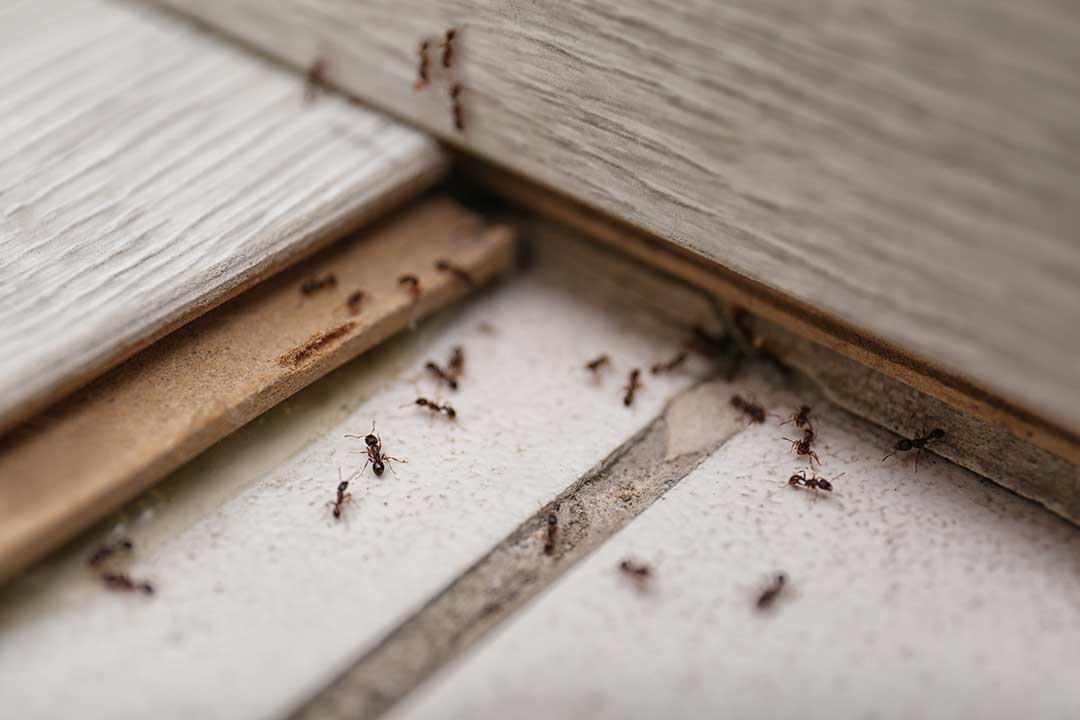
Check traps daily and keep them away from pets and children. Removing any caught mice promptly helps prevent attracting more.
What Seasonal Considerations Matter in Syracuse?
The change in weather is one of the biggest drivers of mouse activity. In late summer and autumn, mice begin seeking shelter from the approaching cold. Snow cover and ice can push them to search for warmth in basements and garages.
Key seasonal strategies:
- Inspect and seal up before the first frost arrives
- Keep garages and sheds shut tight during the winter months
- Be mindful of attracting rodents with birdseed, compost, or outdoor pet food
After a harsh winter, check for any new cracks or damage in masonry caused by ice. These can become new entry points.
What Are Common Misconceptions About Mouse Prevention?
A few misunderstandings can trip up Syracuse residents who want truly effective prevention:
- “Cats alone will keep mice away.” While some cats hunt rodents, they won’t block initial entry or address nesting spots.
- “Old houses can’t be sealed.” Even older homes can be made less accessible with the right materials.
- “You only need to seal entry points once.” Weather, settling foundations, and seasonal temperature swings mean new gaps can develop over time. Annual checks are essential.
Is There a Risk in Handling Mouse Infestations Yourself?
For the average healthy adult, setting traps and cleaning up minor droppings is safe with proper precautions. Wear gloves and use a disinfectant when cleaning any area touched by mice to avoid risk from droppings or urine. If there is a strong odor of ammonia, extensive infestations, or issues in communal spaces like apartment basements, it may be wise to review health guidance from public agencies.