

 See My Latest Article on HelloNation
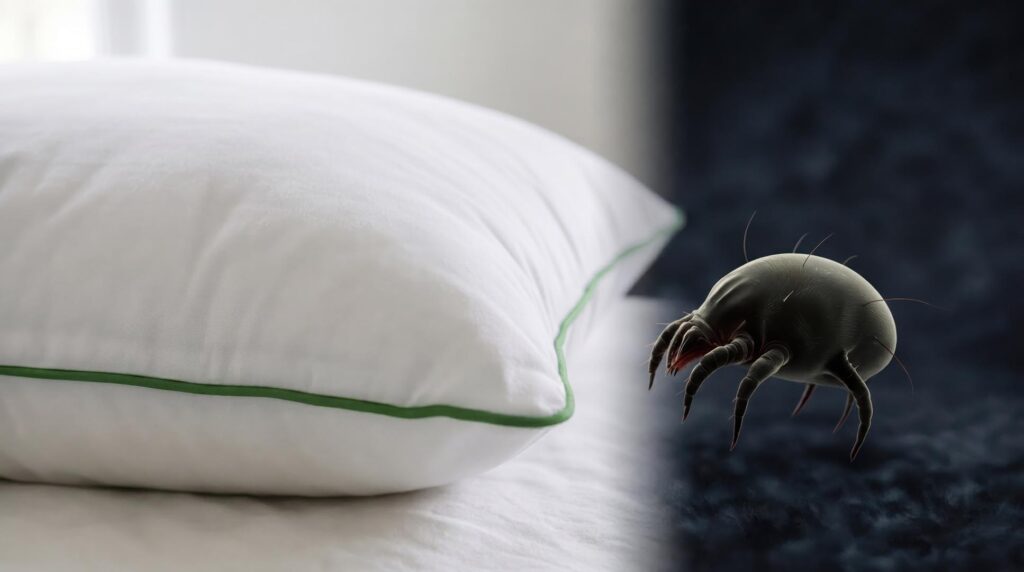
Are Bed Bugs a Health Hazard in Syracuse, NY?
Bed bugs can be distressing for many Syracuse, NY residents, but they’re not known to transmit diseases to humans. These insects are considered a nuisance pest rather than a significant health threat. Still, their presence in homes, apartments, dormitories, and even hotels can prompt concerns about bites, reactions, and overall well-being.
What Health Risks Are Actually Linked to Bed Bugs?
Bed bugs feed on blood, usually at night. Most people in the Syracuse area experience mild reactions—typically small, itchy red welts on exposed skin. However, there are a few important health issues to consider:
- Bite Reactions: For many, bed bug bites cause little more than an itch. Some individuals, though, can have more severe allergic reactions, including swelling or blistering.
- Secondary Infections: Scratching bites increases the risk of introducing bacteria to the skin, possibly leading to a secondary infection like impetigo or cellulitis. Such cases are rare but should be watched for persistent redness, pus, or increased pain.
- Mental Health Impacts: Living with an ongoing pest problem can cause significant stress, sleep disturbance, and anxiety. Some people experience insomnia, worry about stigma, or feel embarrassed to discuss the issue, especially in close-knit community environments like those in local neighborhoods.
Do Bed Bugs Spread Disease?
Despite their unsettling feeding habits, bed bugs are not known to transmit blood-borne illnesses or pathogens to people. This sets them apart from pests like mosquitoes or ticks, which can carry and spread diseases. Current research, including studies referenced by city and public health agencies, indicates no documented transmission of infectious diseases by bed bugs.
What Are Common Myths About Bed Bug Dangers?
Misinformation leads to unnecessary fear, delays in identifying the real cause of bites, or even incorrect handling of infestations. Here are some persistent myths heard in Syracuse and the facts behind them:
- *Myth: Bed bugs carry and transmit deadly diseases.*
Fact: There is no scientific evidence to support direct disease transmission from bed bugs to humans.
- *Myth: Only dirty or poorly maintained homes get bed bugs.*
Fact: Bed bugs can infest any environment, including well-kept households and public accommodations, because they hitch rides on luggage, clothing, and used furniture.
- *Myth: You can always feel a bed bug bite right away.*
Fact: Many people do not immediately react to bites; symptoms might show up hours or even days later, making the source harder to identify.
- *Myth: Bed bugs are a sign of major health violations.*
Fact: While infestations may prompt concern, their presence is not a direct sign of significant unsanitary conditions; even clean, orderly homes can be at risk.
Are Certain People at Higher Risk from Bed Bugs?
Most healthy adults deal with mild skin irritation, but a few groups may experience more significant effects. Individuals with allergies, compromised immune systems, or older adults who might have fragile skin could develop more pronounced symptoms or secondary infections if bites are scratched aggressively. In the city, those living in multi-unit dwellings such as apartments or dorms might also find it harder to control outbreaks, increasing psychosocial stress.
How Should Syracuse Residents Respond to Bed Bug Concerns?
Direct harm from bed bugs in the local area is more likely to be emotional or skin-related than a threat to long-term health. Taking steps to reduce scratching, keeping bite areas clean, and monitoring for infection can usually address physical effects. For households coping with stress or anxiety around infestations, talking with a healthcare provider or connecting with support resources can help manage the emotional toll.
If multiple reactions or suspected secondary infections occur, a medical professional may be needed—especially for those with complex health needs.
Practical Tips for Minimizing Health Risks
For area households, preventing and managing bed bugs means combining practical steps with diligent observation:
- Avoid scratching bites; use mild soap and cool compresses to soothe the skin.
- Check seams of mattresses, box springs, and upholstered furniture for signs of bed bugs such as small reddish stains or live insects.
- Reduce clutter to limit places for bed bugs to hide.
- After travel, inspect luggage and wash clothing in hot water.
- If living in a multi-unit building, coordinate with landlords or property managers if a problem is identified, as infestations can easily spread.
By understanding what bed bugs can—and cannot—do, residents in Syracuse can address infestations more calmly and effectively, reducing the unnecessary worry that often surrounds this common nuisance pest.