

 See My Latest Article on HelloNation
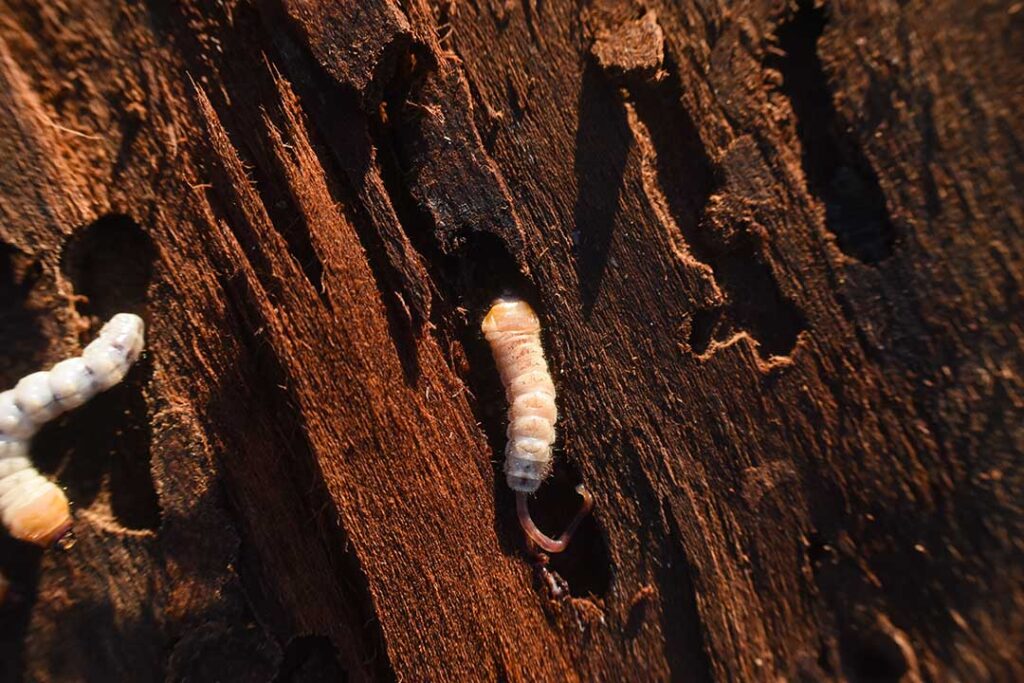
How often should pest control be done in a home?
For many homes in Syracuse, NY, pest control is most effective when it follows the property’s risk level rather than a rigid calendar. A typical home may need preventive attention every three months, while homes with recurring activity, moisture problems, or structural entry points may need more frequent monitoring.
The right schedule depends on:
- The type of pest
- Whether activity is occasional or recurring
- The age and condition of the home
- Moisture levels around the foundation
- Access to food, water, and shelter
- The season
- Whether nearby units or properties have pest problems
Routine pest control does not always mean applying pesticides on a fixed schedule. In many cases, it means inspecting, sealing entry points, reducing moisture, correcting sanitation issues, and treating only where evidence shows treatment is needed.
Is quarterly pest control necessary for every home?
No. Quarterly service may be reasonable for homes with a history of ants, spiders, rodents, or other recurring pests, but it is not automatically necessary for every household.
A home with good exterior maintenance and little pest activity may need only seasonal inspections and prompt action when signs appear. More frequent monitoring may make sense when:
- The home has had repeated infestations
- Residents see pests indoors several times a week
- There are gaps around doors, windows, pipes, or utility lines
- The foundation stays damp
- Firewood, leaf litter, or dense vegetation touches the structure
- The home includes a basement, crawl space, or unfinished attic
- Food or moisture is regularly available to pests
A fixed quarterly schedule can be useful because it creates regular opportunities to identify problems before they become severe. However, the schedule should still be adjusted if conditions change.
What pest control schedule works best by season?
Seasonal patterns influence pest activity in the region. A practical approach is to inspect the home at least once during each major season, with extra attention during periods when specific pests become more active.
Spring
Spring is a common time for ants, spiders, and other insects to become noticeable. Melting snow, rain, and damp soil can push pests toward warmer, drier areas around the foundation and inside the home.
Spring maintenance should include:
- Checking for cracks in the foundation and exterior walls
- Inspecting window screens and door sweeps
- Clearing leaves and debris from the foundation
- Checking gutters and downspouts for drainage problems
- Looking for ant trails near kitchens, bathrooms, and entry points
Summer
Warm weather often increases insect activity. Wasps may build nests around roof edges, porches, sheds, and wall voids. Mosquitoes may become more noticeable where water collects in containers, clogged drainage areas, or low spots.
Summer inspections should focus on:
- Standing water
- Exterior nests
- Torn screens
- Gaps around utility penetrations
- Food stored in garages, sheds, or basements
- Increased spider activity near outdoor lighting
Fall
As outdoor temperatures decline, some insects and rodents seek shelter indoors. This makes early fall an important time to inspect the building envelope.
Before colder weather arrives, check:
- The gap beneath garage doors
- Vents and openings near the roofline
- Basement windows
- Attic access points
- Chimneys, utility openings, and pipe penetrations
- Stored firewood and outdoor materials
Rodent prevention is especially important in older homes and properties with attached garages, basements, or crawl spaces.
Winter
Winter pest activity may be less visible, but that does not mean pests are absent. Mice, cockroaches, stored-product pests, and other indoor species can remain active in heated areas.
During winter, watch for:
- Droppings
- Gnaw marks
- Scratching sounds
- Damaged food packaging
- Musty or unusual odors
- Insects near sinks, heating systems, or basement areas
A winter inspection is also useful when pests have already entered and are using the structure for warmth and shelter.
How often should a home be inspected for pests?
A basic inspection should occur at least once or twice a year, even when no pests are visible. Seasonal inspections are particularly useful for identifying conditions that allow pests to enter or reproduce.
Inspections may need to be more frequent when the property has:
- A history of rodent entry
- Persistent basement dampness
- A crawl space with limited ventilation
- Cracks or gaps that are difficult to repair
- Dense vegetation close to the home
- Frequent deliveries or storage of food products
- Shared walls or closely connected housing
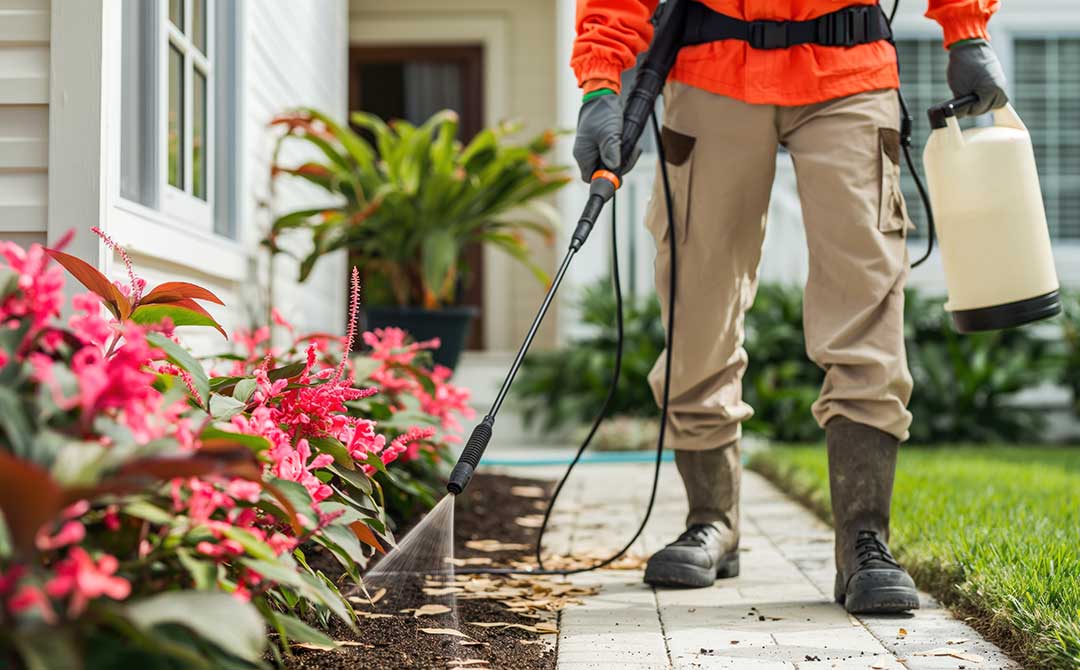
An inspection should look beyond visible insects. Evidence may include droppings, shed skins, damaged materials, nesting debris, grease marks along walls, or small openings that are easy to overlook.
When is immediate pest control needed?
Some pest problems should not wait for the next scheduled inspection. Prompt action is appropriate when there is evidence of a growing infestation, a health concern, or potential structural damage.
Examples include:
- Rodent droppings or nesting material in living areas
- Stinging insects entering wall voids or occupied rooms
- Numerous cockroaches, especially during daylight
- Termite-like damage or hollow-sounding wood
- Bed bugs or suspected bed bug evidence
- Pests found near food preparation or storage areas
- A strong odor suggesting a dead animal or hidden nest
The response should match the pest. For example, sealing a mouse entry point without addressing food access may not solve the problem. Spraying visible ants without locating the source may provide only temporary relief.
Does a clean home still need pest control?
Clean homes can still experience pest problems. Cleanliness reduces available food and shelter, but pests may enter through small openings, arrive in packages, move through plumbing or wall spaces, or seek warmth during cold weather.
Housekeeping is most useful when combined with structural prevention:
- Store dry food in sealed containers
- Clean crumbs and spills promptly
- Repair leaking faucets and pipes
- Keep trash containers closed
- Reduce clutter in basements and storage areas
- Seal gaps around plumbing and wiring
- Keep vegetation and stored materials away from exterior walls
A spotless kitchen cannot prevent pests from entering through a foundation crack or damaged screen.
How should pest control be handled safely?
Pest control should begin with identification. Different pests require different methods, and applying an unnecessary product can create risks without addressing the source.
Before using any pesticide:
- Read and follow the product label
- Keep children and pets away from treated areas as directed
- Never mix products unless the label specifically permits it
- Avoid applying chemicals near food, dishes, or food-contact surfaces
- Use traps and exclusion methods where they are appropriate
- Store products in their original containers
- Do not use outdoor products indoors
Certain situations require added caution, including pests in wall cavities, extensive rodent contamination, stinging insect nests near occupied areas, and suspected structural insects. Hazardous conditions may require trained assistance because improper treatment can increase exposure or damage.
What is a reasonable year-round plan?
For an average home, a practical plan is:
- Inspect the exterior and interior in spring
- Correct moisture, food, and entry-point problems during summer
- Complete rodent and building-entry checks in early fall
- Monitor indoor spaces during winter
- Respond promptly if signs of pests appear between inspections
Homes with recurring activity may benefit from monitoring every two to three months. Homes without a history of pest problems may need less frequent formal attention, provided residents continue routine maintenance and respond quickly to warning signs.
The most reliable schedule is the one that reflects the property’s actual conditions. Regular observation, moisture control, exclusion, sanitation, and targeted treatment are generally more useful than applying pest control products simply because a certain number of weeks has passed.