

 See My Latest Article on HelloNation
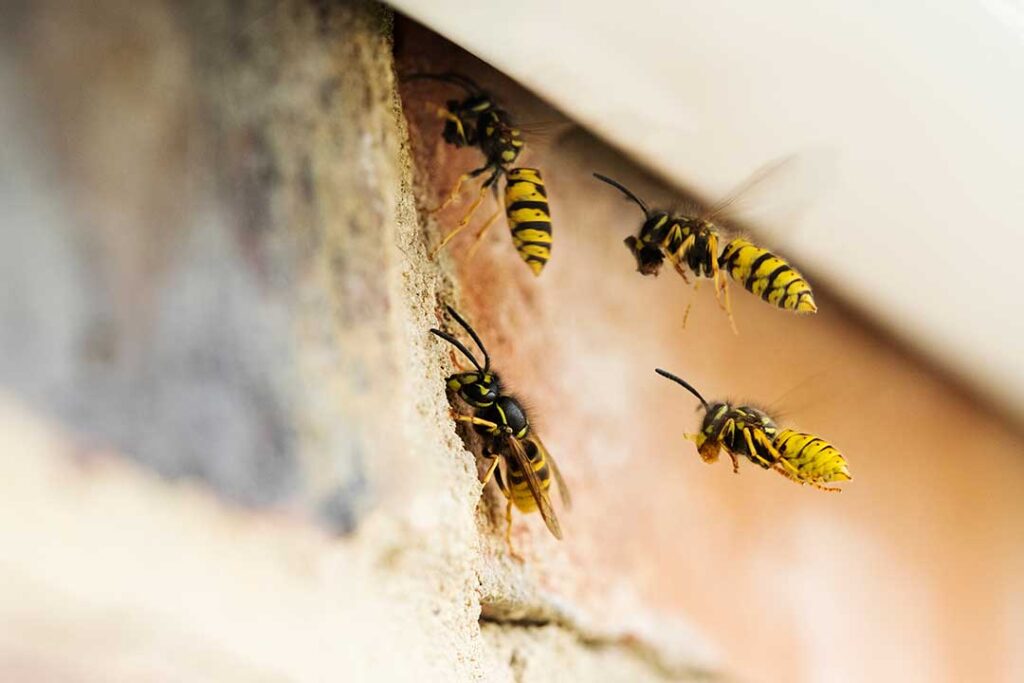
Rodents often remain out of sight for weeks before residents see one. In Syracuse, NY, mice and rats may stay inside wall voids, attics, basements, crawl spaces, or areas behind appliances while leaving physical clues that are easier to detect than the animals themselves.
A hidden rodent problem is more likely when several signs appear together, especially in areas connected to food, warmth, water, or shelter.
What are the earliest signs of rodents indoors?
The first clues are usually droppings, gnaw marks, unusual sounds, or changes in household odors. A single sign does not always confirm an active infestation, but repeated evidence in different areas deserves attention.
Common early indicators include:
- Small dark droppings near cabinets, drawers, food storage, or along walls
- Scratching or rustling sounds after dark
- Shredded paper, insulation, fabric, or plant material gathered into a nest
- Chewed food packaging or small holes in bags
- A stale, musky, or ammonia-like odor
- Greasy smudge marks along frequently used paths
- Pets staring at or pawing beneath appliances and cabinets
- Sudden damage to wires, weather stripping, or stored belongings
Rodents usually travel beside walls and other protected edges rather than crossing open rooms. Evidence along baseboards, behind stored items, or near utility openings can be more meaningful than evidence in the center of a room.
What do rodent droppings look like?
Mouse droppings are typically small, dark, and shaped somewhat like grains of rice, although their appearance can vary with age and moisture. Rat droppings are generally larger and thicker, sometimes resembling short capsules.
Fresh droppings may look shiny or soft, while older droppings can become dull, dry, and crumbly. Finding new droppings after cleaning is a stronger indication of current activity than finding a single old pellet in a rarely used storage area.
Droppings are often found:
- Inside kitchen cabinets and drawers
- Behind refrigerators, ovens, and washing machines
- Along basement walls or near plumbing
- In attics, garages, and storage areas
- Around pet food, birdseed, or bulk food containers
- Near holes where pipes, cables, or ducts enter a wall
Avoid sweeping or vacuuming dry droppings. Disturbing contaminated material can place particles into the air. A safer approach is to ventilate the area, wear disposable gloves, thoroughly wet the material with disinfectant, allow it to sit as directed on the product label, and then wipe it up with paper towels.
Can noises at night indicate rodents?
Yes. Rodents are often most active after dark, when homes are quiet. Scratching, squeaking, gnawing, or quick movement inside walls and ceilings can indicate activity, particularly when the sounds recur in the same location.
Noise can also come from pipes, ductwork, insects, birds, or normal building movement. The pattern helps distinguish possible causes. Rodent sounds tend to involve short bursts of movement, repeated scratching, or gnawing that shifts along a wall or ceiling cavity.
In older housing, connected basements, additions, and areas around utility lines can provide routes between rooms. During cold weather, rodents may move toward warmer wall spaces, attic insulation, and areas near heating equipment.
Why do gnaw marks matter?
Rodents must continually wear down their teeth, so they chew wood, plastic, cardboard, insulation, and other materials. Gnawing is not limited to food containers.
Look for paired tooth marks or rough, scraped edges on:
- Pantry packaging
- Cabinet corners
- Wooden trim
- Plastic storage bins
- Electrical wiring
- Door sweeps and weather stripping
- Insulation around pipes or ducts
Chewed electrical wiring is a safety concern because damaged insulation can increase the risk of short circuits or fire. Do not handle exposed or damaged wiring. If wiring appears compromised, turn off power to the affected circuit only if it is safe to do so and arrange for qualified electrical evaluation.
What does a rodent nest look like?
A nest may resemble a loose ball or flattened pile of shredded material. Rodents commonly use paper, cardboard, fabric, insulation, cotton, dried plant matter, and other soft materials.
Nests are often hidden in quiet, protected locations such as:
- Behind stored boxes
- Beneath appliances
- Inside wall voids
- Near water heaters or plumbing
- In attic insulation
- Under porches or around foundation openings
- Inside unused cabinets or furniture
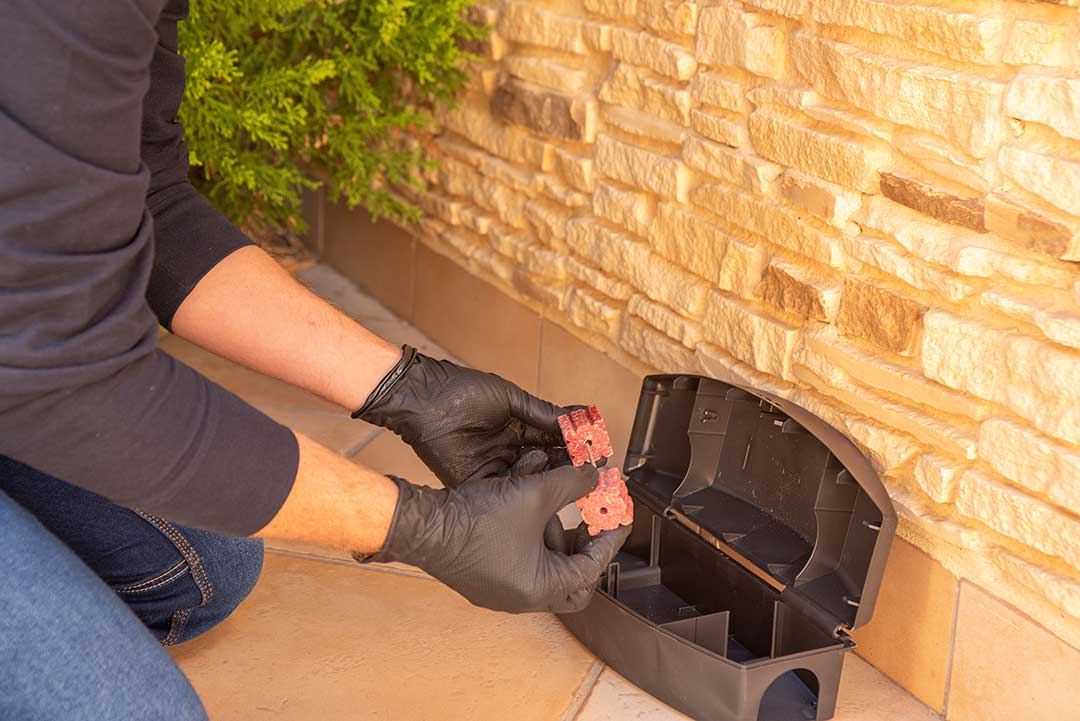
A nest does not always mean the site is currently occupied, but nesting material combined with fresh droppings, odor, or new gnawing suggests ongoing activity. Use caution when moving stored items because rodents may defend nests, and nesting areas can contain urine, feces, fleas, or other contaminants.
Is a bad smell a reliable sign?
An unusual odor can be an important clue, but it is not specific to rodents. A musky, stale, or ammonia-like smell may come from urine in a confined space. A stronger odor concentrated near a wall, ceiling, crawl space, or inaccessible area may indicate repeated use of that location.
A sudden foul smell can also result from a dead rodent, especially during warmer weather. Other possible causes include moisture, mold, sewage problems, or decaying organic material.
Odor alone should not determine the source. Check for supporting evidence such as droppings, rub marks, nesting material, or sounds. Avoid opening walls or disturbing insulation simply to search for a suspected animal.
Why might residents notice rodents during fall and winter?
Seasonal movement is common because outdoor conditions become less favorable as temperatures drop. In Syracuse, cold weather, snow cover, and limited outdoor food can make buildings more attractive for shelter and nesting.
Rodents can enter through surprisingly small openings, including gaps around:
- Foundation cracks
- Basement windows
- Utility lines
- Plumbing penetrations
- Garage doors
- Roof and soffit transitions
- Damaged vents
- Doors with worn weather stripping
A building may appear well maintained and still have access points hidden behind siding, vegetation, stored materials, or accumulated snow. Fall is a useful time to inspect exterior gaps before prolonged cold weather begins, while spring inspections can reveal damage caused during winter.
Can a clean home still have rodents?
Yes. Cleanliness can reduce available food but does not eliminate access to shelter or water. Rodents may enter a well-kept home through a structural opening, then feed on crumbs, pet food, insects, stored seed, or small amounts of food residue.
A tidy kitchen does not rule out activity in an attic, basement, garage, or wall cavity. It is also possible for rodents to remain hidden while using water from condensation, plumbing leaks, pet bowls, or damp areas.
Food should be stored in tightly sealed containers, but food storage is only one part of the picture. Structural gaps, cluttered storage, moisture, and sheltered nesting locations also influence whether rodents remain indoors.
How can you tell whether the problem is active?
Fresh evidence is more useful than the age of a single sign. After cleaning droppings and recording where they were found, monitor the area for several days without disturbing possible travel routes.
Signs of continuing activity may include:
- New droppings
- Freshly chewed edges
- New tracks or smudge marks
- Repeated nighttime noises
- A newly disturbed nest
- Food packaging damaged after it was replaced
- Stronger odor in the same location
Do not rely solely on whether a rodent is seen. Rodents can avoid people and may remain inside wall or ceiling spaces for long periods.
If children, pets, older adults, or anyone with respiratory sensitivity may be exposed to contaminated areas, limit access and use extra caution during cleanup. In situations involving damaged electrical wiring, extensive contamination, inaccessible animals, or uncertainty about safe handling, qualified assistance may be necessary for safety and legal or building-code reasons.