

 See My Latest Article on HelloNation

Mosquitoes are easiest to manage when prevention starts before they become a noticeable problem. In Syracuse, NY, wet spring conditions, summer rainfall, shaded yards, and containers left outdoors can create small breeding sites around homes.
The most effective approach combines removing standing water, improving drainage, reducing sheltered resting areas, and protecting people from bites during outdoor activity.
Where do mosquitoes breed in a backyard?
Mosquitoes can reproduce in surprisingly small amounts of standing water. A container holding water for several days may be enough for eggs to hatch and larvae to develop.
Inspect the entire property after rain, especially:
- Birdbaths and pet bowls
- Flowerpot saucers and planters
- Children’s toys, buckets, and watering cans
- Wheelbarrows and unused containers
- Pool covers and poorly maintained small pools
- Clogged gutters and downspouts
- Recycled cans, bottles, and plastic items
- Tarps that sag and collect rainwater
- Low areas where water remains after storms
- Tree holes, discarded tires, and outdoor equipment
The water does not have to look dirty. Clear water in a clean container can still support mosquito development.
How often should standing water be removed?
Check the yard at least once a week and after heavy rain. Emptying water only once at the beginning of summer is not enough because new breeding sites can appear throughout the season.
For each item, use the option that fits the situation:
- Empty and scrub containers to remove eggs that may stick to the sides.
- Turn buckets, toys, pots, and tools upside down.
- Cover stored water tightly with a lid or fine mesh.
- Throw away items that are no longer useful.
- Drill drainage holes in outdoor containers that must remain outside.
- Clear leaves and debris from gutters so water can flow freely.
- Store tires, tarps, and equipment where they cannot collect rain.
Mosquito eggs may remain attached to container surfaces, so simply pouring out the water may not remove every egg. Scrubbing or rinsing the container adds an extra layer of prevention.
What should Syracuse residents check after rain?
Rainy periods deserve special attention because water can collect in places that are not obvious during a normal yard inspection. After a storm, walk around the home and look at ground-level objects as well as elevated areas such as decks, sheds, gutters, and porch roofs.
Properties with mature trees may have shaded hollows, clogged drains, or low branches that hold water. Areas beneath dense shrubs can also stay damp longer. In compact neighborhoods, water may collect near fences, foundations, garages, or shared property lines where drainage is limited.
If water remains in the same low spot for several days, improve the grade if practical, redirect a downspout, or use a suitable drainage solution. Do not allow water to pool against the foundation.
How can birdbaths, ponds, and rain barrels be managed?
Water features do not necessarily have to be removed, but they require regular maintenance. Change birdbath water at least twice a week, and scrub the basin before refilling it. This interrupts mosquito development and removes residue where eggs may remain.
Keep ornamental ponds circulating when possible. A pump, fountain, or other movement can make the water less suitable for mosquito breeding, although circulation does not replace regular inspection.
Rain barrels should have tightly fitted covers and fine screening over openings. Check the screen for tears and make sure water does not collect around the base. Water-holding containers that cannot be emptied or drained may require a properly labeled larvicide product intended for that use. Follow the product label carefully, particularly around children, pets, wildlife, fish, and edible gardens.
Does cutting grass prevent mosquitoes?
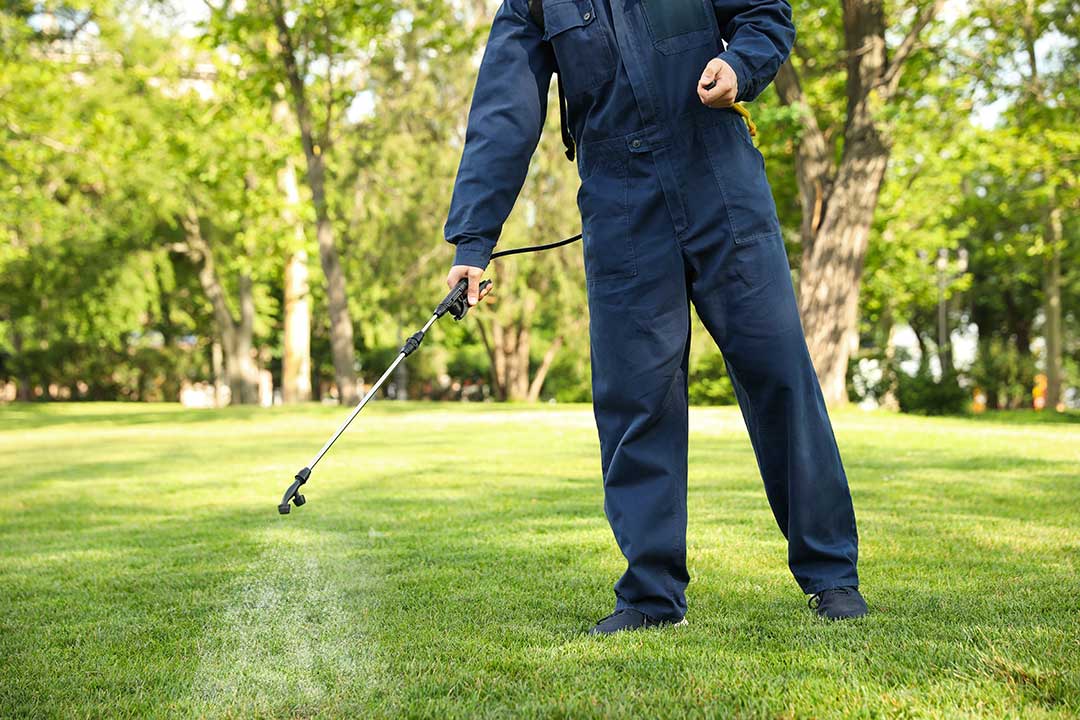
Mowing alone will not eliminate mosquitoes because many species breed in water rather than grass. However, trimming dense vegetation can reduce shaded, humid resting areas where adult mosquitoes hide during the day.
Keep grass reasonably short and remove heavy accumulations of leaves, weeds, and yard debris. Prune vegetation near patios, doorways, and seating areas to improve airflow. Avoid overwatering lawns and gardens, especially where the soil already drains slowly.
Mosquitoes may rest under shrubs, decks, porches, and outdoor furniture. Moving seating away from thick vegetation can make frequently used areas more comfortable.
How can people reduce mosquito bites outdoors?
Mosquito activity often increases around dusk, overnight, and during the early morning, although activity varies by species and weather. During these periods:
- Wear long sleeves, long pants, and socks when practical.
- Use an insect repellent registered for that purpose and follow the label.
- Repair window and door screens, including small tears.
- Keep doors closed rather than propped open.
- Use mosquito netting over strollers or outdoor sleeping areas.
- Place outdoor seating away from dense shrubs and stagnant water.
Repellent should be applied according to the label, not more frequently or in larger amounts than directed. Adults should apply repellent to children when needed, avoiding the hands, eyes, mouth, and irritated skin.
Do outdoor candles and “natural” remedies work?
Some products may provide limited or temporary relief, but they should not be treated as a substitute for removing breeding sites. Scented candles, plants, fans, and essential oils vary widely in effectiveness and duration.
A fan may help in a small seating area because mosquitoes are weak fliers, but it will not reduce the population in the yard. Likewise, adding a plant marketed as mosquito-repelling will not solve standing-water problems.
The most dependable prevention remains physical source reduction: remove water, improve drainage, maintain screens, and protect exposed skin.
When are backyard mosquito problems more serious?
A few mosquitoes do not necessarily indicate a major infestation, but persistent activity may signal hidden water sources. Look for containers behind sheds, blocked gutters, sagging covers, clogged drains, or water collecting on neighboring or shared property.
Take extra precautions for infants, older adults, people with weakened immune systems, and anyone who becomes ill after mosquito exposure. Mosquito-borne illnesses are uncommon, but mosquitoes can sometimes spread disease. Seek medical guidance for symptoms such as fever, severe headache, unusual weakness, confusion, or other concerning illness after outdoor exposure.
Pesticide use requires care. Products should be used only as labeled, and broad outdoor applications should not be treated as a replacement for correcting drainage or removing standing water. Avoid spraying flowering plants when pollinators are active, and keep children and pets away from treated areas as directed.
A practical weekly prevention routine
A short weekly inspection can prevent many backyard problems:
1. Walk the property after rain.
2. Empty or scrub every small container.
3. Check gutters, downspouts, and drains.
4. Refresh birdbaths and inspect ponds.
5. Turn over unused equipment.
6. Look beneath tarps, decks, and outdoor furniture.
7. Repair screens and standing-water sources.
8. Recheck areas that stayed wet from the previous inspection.
Consistent attention is especially useful during warm, rainy stretches, when containers can become mosquito breeding sites before they are noticed.