

 See My Latest Article on HelloNation
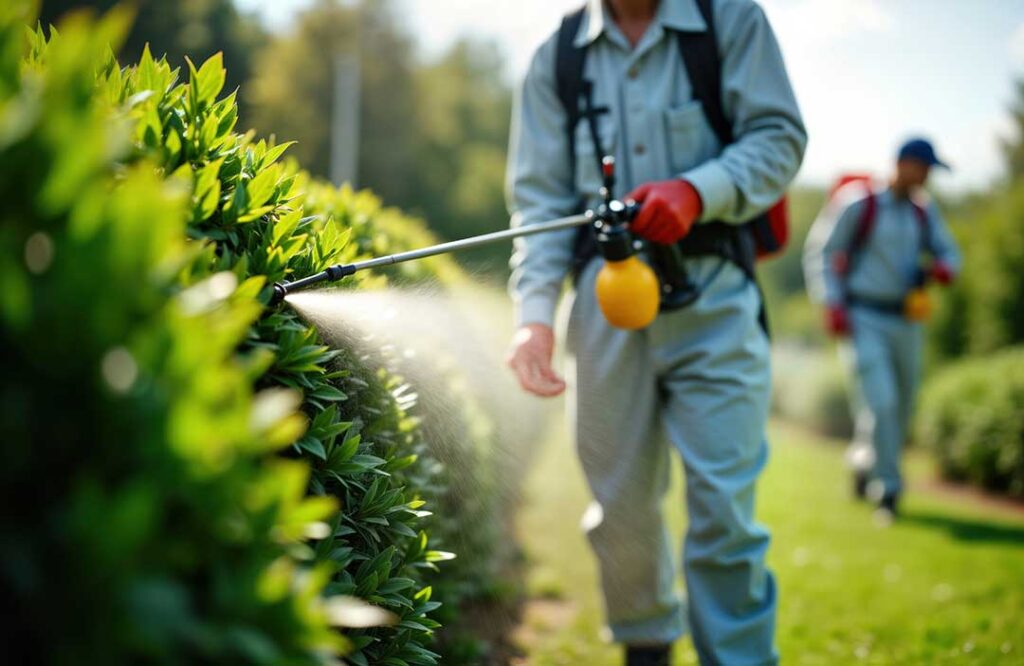
What Does It Mean to Pest-Proof Before Each Season?
Pest-proofing means making practical changes to your home so insects and rodents are kept outside year-round. Because Syracuse, NY experiences four very different seasons—including cold winters, damp springs, humid summers, and crisp falls—local residents face shifting pest pressures throughout the year. Effective pest-proofing depends on understanding and anticipating those seasonal changes instead of reacting after a problem appears.
Which Pests Are Most Active During Each Season in Syracuse, NY?
Each season invites a different group of pests indoors, often following changes in temperature, humidity, and daylight hours.
- Spring: As the snow melts, ants, spiders, and cluster flies become active. Moisture-loving pests like carpenter ants and centipedes often show up in basements and bathrooms.
- Summer: Wasps, hornets, mosquitoes, and pantry pests are common. Local residents sometimes notice a surge in houseflies from open windows or doors.
- Autumn: Rodents—including mice and occasionally rats—start searching for warm indoor nest spots. Boxelder bugs and stink bugs seek shelter.
- Winter: Insect activity drops inside heated homes, but any sheltering pests can become visible; mice are more persistent during harsh cold spells.
Recognizing these shifts helps residents anticipate which steps matter most, and when.
How Can You Identify and Seal Entry Points Effectively?
Start by looking for gaps or cracks where pests squeeze inside. Syracuse’s older homes—with foundations that settle, brickwork, or wood siding—are especially prone to small but significant openings.
- Check along your foundation where pipes, cables, or wires penetrate exterior walls.
- Inspect door seals, window screens, and the weather stripping on ground-level entrances.
- Look up: attic vents, chimneys, and rooflines often harbor openings that evolve after winter or stormy weather.
- Even quarter-inch gaps near the garage or under siding invite mice and insects inside.
Use caulk for small cracks, weatherproof foam for bigger gaps, and steel wool (covered with sealant) for rodent-prone areas. Replace torn screens and damaged door sweeps. Re-examine high-use entry points seasonally, as expansion and contraction can create new vulnerabilities.
What Should You Know About Seasonal Outdoor Maintenance?
Outdoor chores have a big impact on indoor pest prevention. Each season presents distinct tasks that limit pest access and attraction.
- Spring: Clean gutters, remove old leaves, and check for standing water in containers—reducing breeding sites for mosquitoes and flies.
- Summer: Trim vegetation and tree limbs away from roofs and siding. Keep woodpiles and compost bins at least twenty feet from your home. Mow regularly and bag grass clippings to deter ticks and ants.
- Autumn: Rake debris near the foundation and check that downspouts carry water away. Install mesh over attic and crawlspace vents to keep out rodents.
- Winter: Shovel walkways and clear ice dams as needed, since pests can follow water leaks inside.
Don’t overlook detached garages and sheds: These outbuildings can become seasonal pest harbors if not maintained and sealed.
How Can Food Storage and Household Habits Reduce Pest Risks?
Food sources attract many of the most persistent household pests. Even clean homes offer opportunities for rodents and insects unless food is inaccessible.
- Use sealed containers for grains, flour, pet food, and snacks, especially in pantries and kitchen cupboards.
- Clean crumbs and spills promptly; regular vacuuming helps prevent hidden attractants.
- Take indoor garbage and recycling out regularly, especially in summer.
- Fix even small plumbing leaks under sinks or behind appliances to avoid creating habitats for cockroaches and silverfish.

If you host gatherings or cook for the holidays, extra vigilance with food handling and cleanup will lower the likelihood of fall and winter pests.
Are There Local Conditions to Keep in Mind When Pest-Proofing?
Syracuse’s climate—with snowy winters and humid summers—affects both pest activity and home vulnerability.
- Heavy snow can push mice, voles, and even chipmunks to seek indoor warmth, especially in basements and crawlspaces.
- Freeze-thaw cycles can widen cracks in old foundations; reevaluate after the spring thaw.
- Traditional wooden porches and vintage brick can develop pest highways beneath damaged mortar or loose boards.
- Local regulations require trash containers to be kept lidded and not be left curbside for lengthy periods, which helps minimize urban wildlife attraction.
High-density neighborhoods may see increased rodent migration between homes in colder months, especially as yards become less active. Even in quieter residential areas, properties with larger, mature trees and drainage features may need extra attention as wildlife adapts.
What Are Common Mistakes or Overlooked Factors in Seasonal Pest Prevention?
Many area households rely on store-bought sprays or bait stations after pests appear, but prevention is far more effective long-term.
- Residents sometimes focus only on visible pests, missing quiet invaders like silverfish or cluster flies.
- Gutters and rooflines are often overlooked: blocked drainage feeds both water-loving insects and wood rot, inviting ants and beetles.
- Chimneys and attic crawlspaces can be entry points for wildlife, but are infrequently inspected until a problem is detected.
- Holiday decorations stored in outdoor sheds or basements provide nesting spots for insects if not packed in tightly sealed bins.
Seasonal pest-proofing is most successful when it considers both the inside and outside of a home, anticipates changing weather, and adapts to how local pests behave during each part of the year.