

 See My Latest Article on HelloNation
Why Do People in Syracuse, NY Confuse Termites and Carpenter Ants?
Both termites and carpenter ants are commonly found in the wood structures of homes in Syracuse, NY, and both can cause distress among homeowners. The confusion often arises because both insects are capable of damaging wood and have similar life cycles and colony patterns. However, their appearance, behavior, and the nature of the damage they cause are quite different. Knowing what signs to look for can help local residents accurately identify which pest is present and take the right steps.
What Do Termites and Carpenter Ants Look Like?
Termites are usually pale or creamy in color, have straight antennae, and a body that appears more uniform with no distinct waist. Worker termites are typically hidden and are seldom seen unless wood is opened or their shelter tubes are disturbed. Winged termites, which show up in “swarms” during warm, damp spring days in Syracuse, have two pairs of wings that are equal in length and much longer than their bodies.
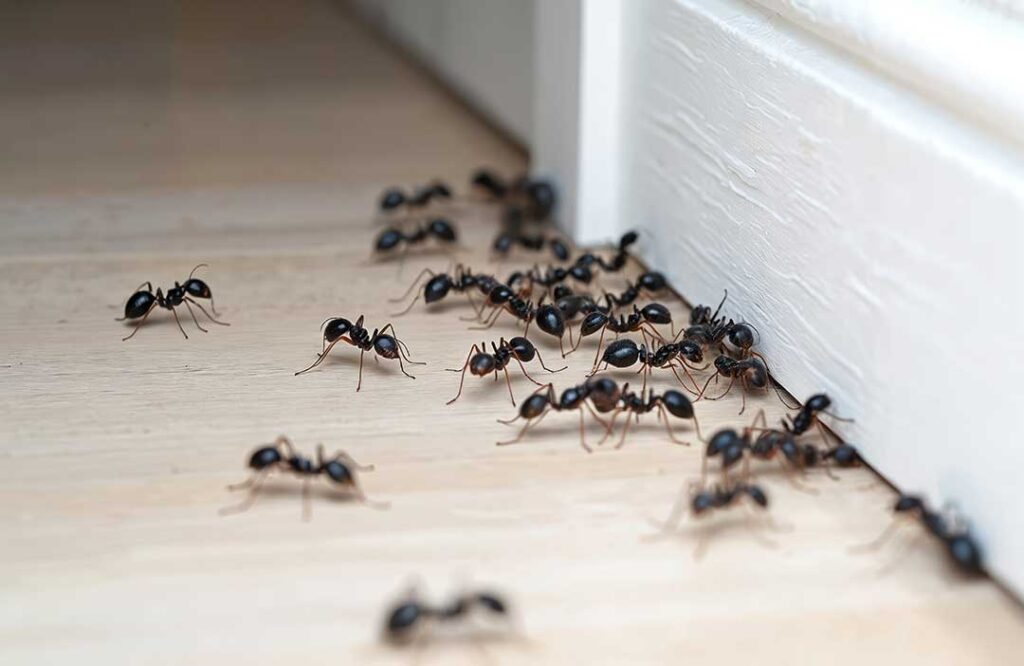
Carpenter ants, on the other hand, are larger and darker: most seen indoors are black or very dark brown. These ants have narrow waists and bent (elbowed) antennae. Their winged forms, which may also appear in late spring through early summer, have two pairs of wings as well—however, the front wings are significantly larger than the hind wings.
How Do Damage Patterns Differ Between the Two?
Termites eat wood from the inside out, often leaving behind thin layers or a hollow sound when the wood is tapped. The damage is usually hidden and may go unnoticed until it becomes severe. Another clue is the presence of mud tubes, which termites construct to protect themselves while moving between the soil and their food source inside walls or foundations—this is especially relevant in Syracuse due to typical foundation designs and moisture levels.
Carpenter ants do not eat wood; instead, they excavate it to build their nests. They prefer moist, decayed, or softened wood, which is common in older or poorly drained areas around local homes. Their tunnels are smooth and clean (almost sanded-looking) compared to the mud-caked galleries of termites. Homeowners might notice piles of coarse wood shavings, called “frass,” pushed out of the nest openings—a tell-tale sign of carpenter ant activity.
When Are These Pests Active in Syracuse?
Termite swarming in Syracuse generally occurs in the spring, especially after heavy rains on warmer days. It is around this time that residents are likely to see winged termites either inside by windows or outside near foundations.
Carpenter ants are more prone to be active from late spring through the summer in Syracuse. They can be seen trailing along wires, foundations, or tree trunks at dusk or after rain, as they search for food and new nesting sites.
Where Are They Found Inside Local Homes?
Termites tend to start their infestation close to the ground—especially where soil meets wood or concrete foundations, including basements and crawl spaces, which are common in Syracuse homes. Over time, they may work their way up into walls, support beams, or even hardwood floors.
Carpenter ants often nest in wood that’s already been softened by moisture, such as window frames, bathroom floors, kitchens, and under roof eaves. Tree stumps and wood piles near the home can also provide nesting sites, making outdoor maintenance particularly important in the community.
What Local Conditions Affect Their Presence?
Syracuse’s climate—marked by wet springs, humid summers, and frequent freeze-thaw cycles—encourages conditions that both pests favor. Termites thrive where soil remains moist, and mulch or wood debris is in contact with the house. Carpenter ants seek out spots where wood has become damp from leaks, condensation, or ice damming, which are common concerns in this region.
What Are Common Misconceptions?
- “Both insects eat wood.” In reality, only termites digest cellulose in the wood; carpenter ants tunnel but do not consume it.
- “Any flying ant indoors must be a termite.” While both swarm in spring, careful inspection of the waist, antennae, and wing size can help tell them apart.
- “Finding wood shavings is a sign of termites.” Wood shavings or frass actually point to carpenter ants rather than termites, whose activity is almost always hidden.
- “Pests won’t return in winter.” While visible activity slows, both can remain active inside heated structures year-round in Syracuse.
How Can Local Residents Distinguish the Two in Practice?
A quick field guide to differentiate based on visible clues:
- Appearance: Termites are light-colored with straight antennae and uniform waists. Carpenter ants are dark, have pinched waists, and elbowed antennae.
- Activity: Termites are rarely seen except during swarming. Carpenter ants are often seen foraging, especially around kitchen and bathroom areas.
- Damage Evidence: Termite damage is often hidden and accompanied by mud tubes. Carpenter ant damage is visible with piles of wood shavings.
- Location: Termites prefer wood in direct contact with soil. Carpenter ants nest in moist, previously damaged wood, often near leaks or high humidity.
Why Does Correct Identification Matter for Area Households?
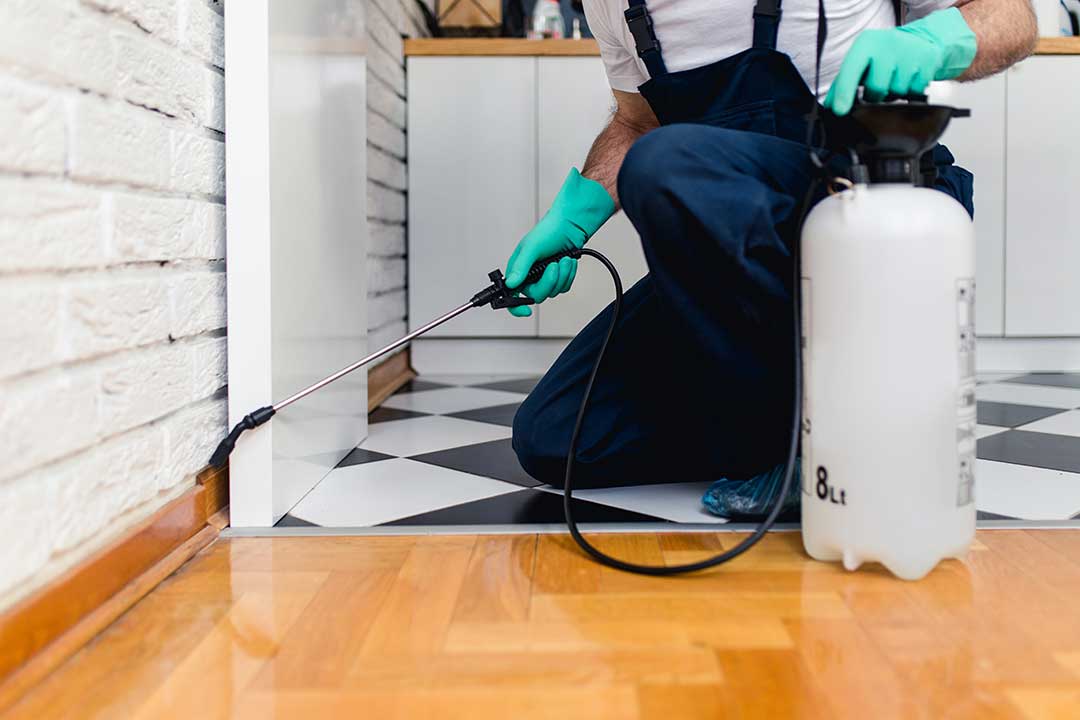
Using the wrong treatment or ignoring the problem can worsen damage to a building’s structure. For example, moisture issues that attract carpenter ants may require both pest control and home repair. Termite infestations could indicate hidden structural risk, and their colonies grow slowly, so early intervention minimizes long-term impact.
Taking a few minutes to inspect tunnels, check for frass, and observe insect behavior can make a significant difference for local homeowners. Understanding these key differences empowers residents to respond quickly and maintain the safety and value of their homes.